
Wet Basement Repair in Winnipeg
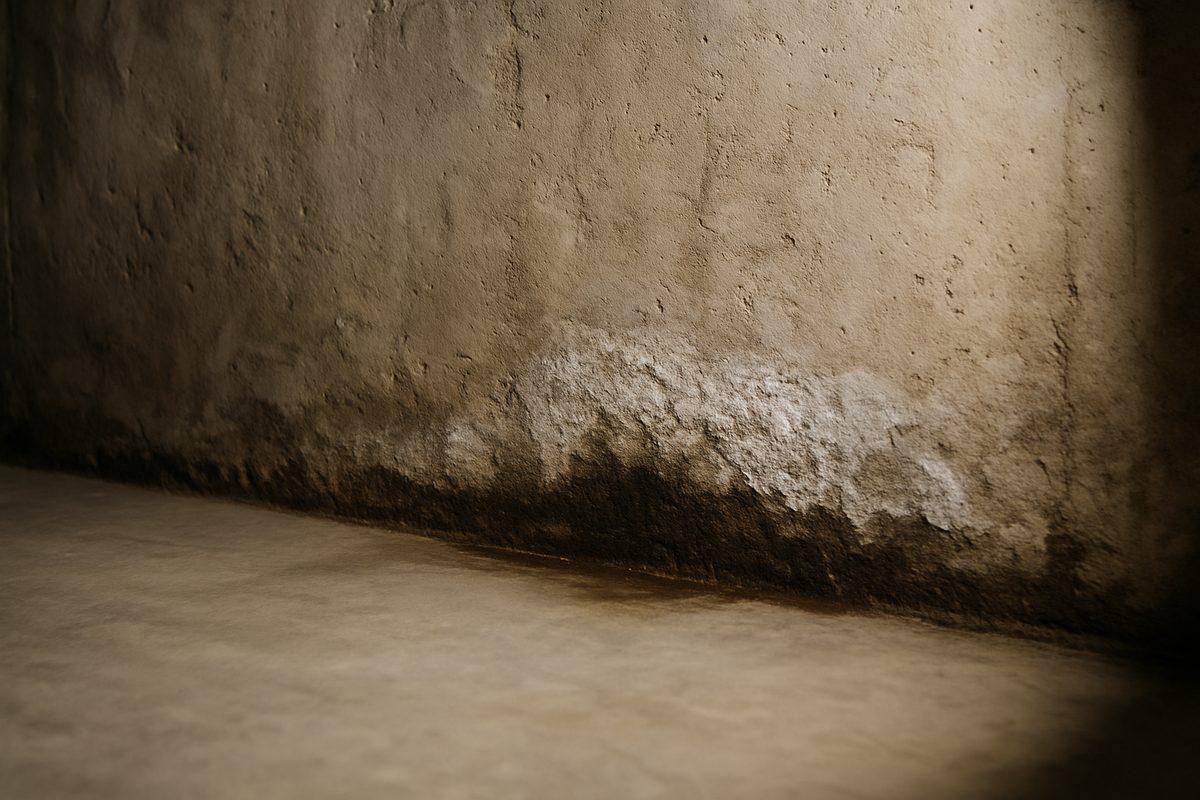
The damp patch you can see is almost never where the water got in.
Water in a basement is the most common thing Winnipeg Foundation Experts gets called about, and the most commonly misdiagnosed. The wet patch is where water arrived, not where it entered, and treating the visible spot without tracing the path is how people end up paying twice.
Tracing the Path
Water entering a foundation travels. It runs down the outside of the wall until it finds a crack, moves along the top of the footing, or comes up through the cove joint where the slab meets the wall. By the time it shows on a basement wall it can be metres from the entry point.
So we work backwards. Where the stain is, what shape it is, whether it is worse high or low on the wall, and whether it correlates with rain or with humidity. Then we go outside and look at the things that put water against a foundation in the first place.
The Usual Culprits Outside
Downspouts that discharge next to the wall are the single most common cause, and among the cheapest to fix. A downspout emptying beside the foundation delivers the entire roof area’s rainfall directly to the soil against your wall.
Grade that has settled toward the house over the years is the second. Ground slumps as backfill compacts, and a slope that once carried water away now channels it back. Window wells with no drainage are the third, filling up and pushing water through the window.
None of those require excavation to identify, and fixing them sometimes resolves the leak entirely.
Repairs Inside
Where the entry point is a crack, injection seals it. Where it is the cove joint, the answer is usually drainage rather than sealant, because water arriving there is under pressure from below and sealing it simply moves it to the next weak point.
Where the water is arriving faster than any interior fix can manage, the honest recommendation is exterior work, and we will say that rather than sell an interior product that will not hold.
Condensation Is Not a Leak
A meaningful share of the wet basements we look at are humidity, not water entry. Warm humid air meeting cool concrete produces moisture on the wall, and it appears without any rain at all.
That needs ventilation and dehumidification, not waterproofing. Telling you it is a leak would be more profitable and it would also be wrong.
We will tell you which one you have, free of charge. Related: basement waterproofing when the wall needs sealing, foundation crack repair for a specific crack, and sump pump installation to move collected water. We cover Transcona and Charleswood.
What's Included
- Tracing the actual entry path before quoting a fix
- Crack, cove joint and window well leak repairs
- Drainage and grade correction outside
- Honest separation of condensation from genuine water entry
- Written scope before work starts
Other Services We Offer in Winnipeg
Wet Basement & Leak Repair Questions
Is my basement leaking or just damp?
They look similar and need opposite fixes. Condensation forms on cold surfaces in humid weather and appears fairly evenly across walls and pipes. A leak comes from a specific point and follows a path. If the moisture is worse after rain, it is a leak. If it is worse in humid August weather with no rain, it is likely condensation.
Water comes in where the floor meets the wall. What is that?
That is the cove joint, where the slab meets the foundation wall, and it is not a crack so much as a seam that was never sealed. Water arriving there is usually coming up from below because the drainage under the slab or outside the footing is not carrying it away.
It only leaks in a heavy storm. Is that worth fixing?
Usually yes, because it tells you the drainage is at its limit. A system that copes with ordinary rain and fails in a storm has no margin, and storms are getting the blame for a problem that is present the rest of the time in a milder form.
Can I finish a basement that has leaked before?
Only after the water is dealt with. Finishing over a wall that still takes water hides the problem behind framing and insulation, where it does considerably more damage before anyone notices it.
Get a Free Wet Basement & Leak Repair Quote
Book a free assessment. We will tell you what is moving, why, and whether it needs work now.